By Momodou Jallow
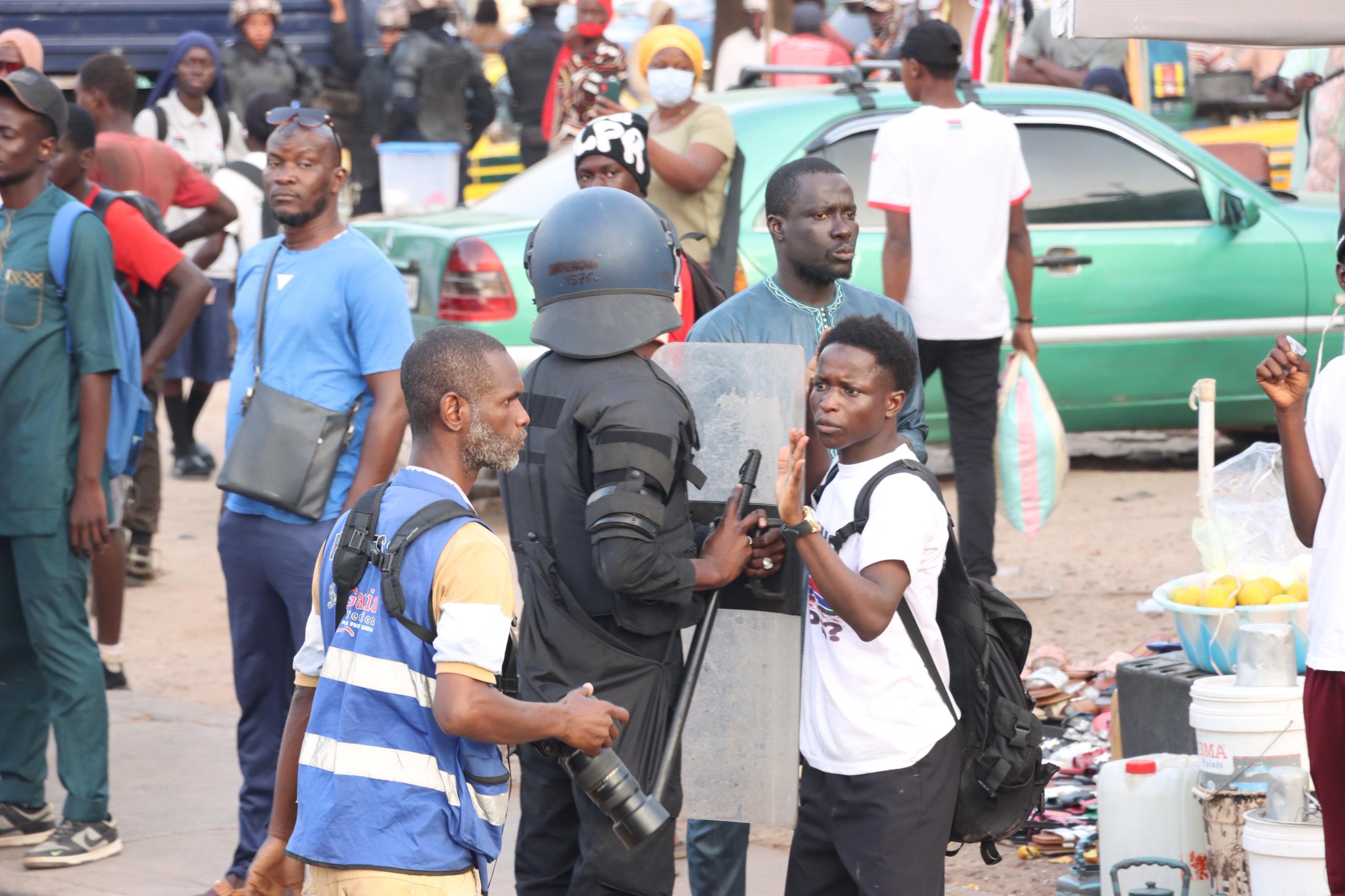
The Kanifing Magistrates’ Court on Monday granted bail to 14 members of Gambians Against Looted Assets who were charged with unlawful assembly and common nuisance over the weekend at the Westfield Monument.
The accused pleaded not guilty before the magistrate. They were represented by senior lawyers Lamin J. Darboe and L. S. Camara.
Police said the group was arrested Friday and charged under Section 63 and Section 137(1) of the Criminal Offences Act, 2025, for holding an event without a permit. The group was initially offered police bail of 50,000 with one Gambian surety each.
GALA members vowed to proceed with the a one-year anniversary event slated for friday May 15th 2026, at the Youth Monument in Westfield.
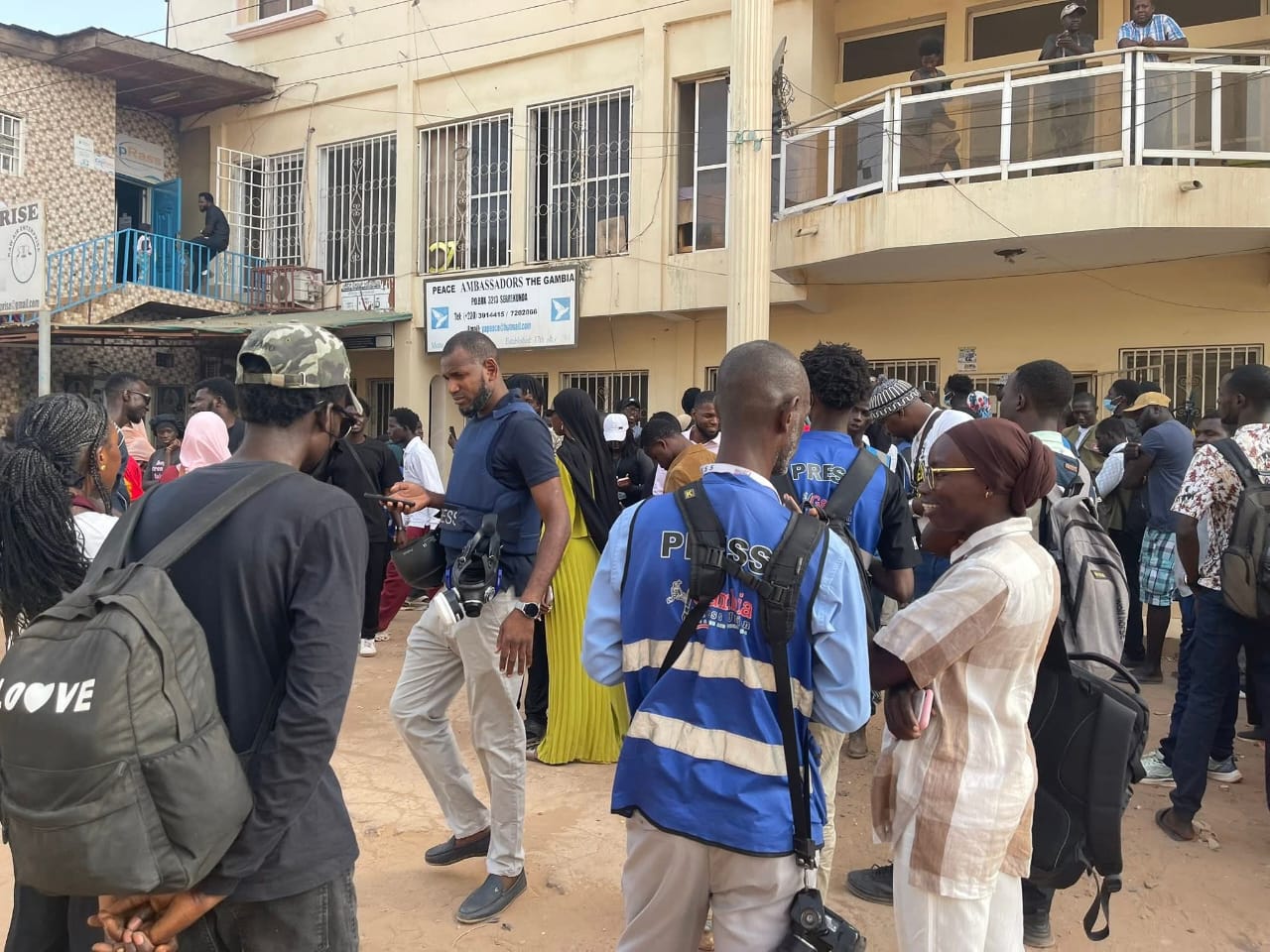
The announcement came at a National Youth Parliament press conference hours after the Kanifing Magistrates’ Court granted the 14 bail. They pleaded not guilty to unlawful assembly and common nuisance.